Azərbaycanda iGaming Tənzimləməsi: Lisenziya, Nəzarət və Şəffaflıq
Azərbaycanda iGaming Tənzimləməsi: Lisenziya, Nəzarət və Şəffaflıq
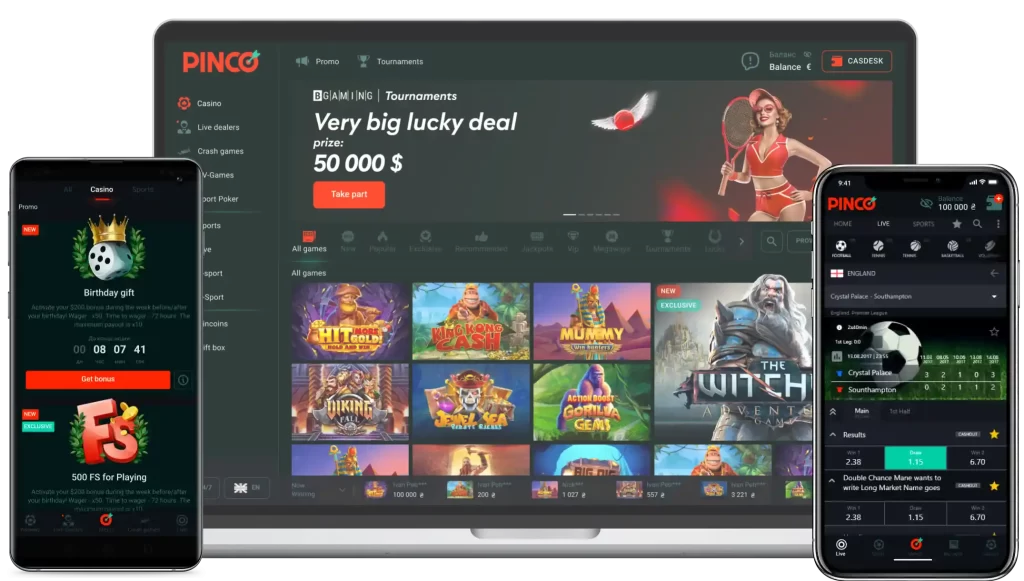
The digital landscape for online gaming is evolving globally, and Azerbaijan is no exception. For local enthusiasts and industry observers, navigating the framework of regulation is crucial. This guide provides a step-by-step, checklist-driven tutorial on the fundamentals of iGaming regulation, focusing on licensing, regulatory bodies, and compliance trends. We will examine these concepts through the lens of user protection, transparency, and the specific context of Azerbaijan’s legal and market environment. It’s important to note that while international platforms like pinco casino operate under foreign licenses, the domestic regulatory picture is distinct and developing. Our focus remains strictly on the principles and structures that define a safe and fair gaming ecosystem.
The Current Legal Framework in Azerbaijan
In Azerbaijan, the regulation of gambling activities is defined by national law. Land-based casinos operate in specific designated zones, while online gambling occupies a more complex position. The primary legislation does not explicitly license international online operators targeting Azerbaijani players. This creates a situation where the market is accessed via platforms licensed in other jurisdictions. Understanding this context is the first step in grasping the regulatory basics, as it highlights the importance of player due diligence and the global nature of compliance standards that affect local users.
Key Azerbaijani Regulatory Bodies and Their Roles
While a dedicated iGaming authority for licensing international online platforms does not currently exist, several state bodies oversee aspects related to financial transactions, consumer protection, and illegal gambling enforcement. The Central Bank of Azerbaijan (CBA) monitors financial flows, while the Ministry of Taxes and the Ministry of Internal Affairs play roles in enforcement. For players, this means the onus of verifying an operator’s legitimacy falls on understanding the foreign licensing bodies that regulate their chosen platform.

The Pillars of International iGaming Licensing
Since Azerbaijani players often engage with platforms licensed abroad, comprehending international licensing standards is essential for safety. A legitimate license from a reputable jurisdiction is the cornerstone of a trustworthy operator. These licenses are not simply permits; they are comprehensive contracts that enforce rigorous standards. The licensing process involves deep scrutiny of the company’s financial stability, software integrity, and operational protocols. Below is a checklist of what a credible licensing jurisdiction typically mandates. Əsas anlayışlar və terminlər üçün problem gambling helpline mənbəsini yoxlayın.
- Thorough background checks on all company directors and major shareholders.
- Proof of sufficient operating capital, often held in segregated accounts.
- Certification of all gaming software by independent testing labs for Random Number Generator (RNG) fairness.
- Implementation of robust anti-money laundering (AML) and know-your-customer (KYC) procedures.
- Clear policies for responsible gambling, including deposit limits and self-exclusion tools.
- Transparent terms and conditions, particularly regarding bonuses and withdrawals.
- Commitment to data protection standards, such as GDPR-equivalent regulations.
- Establishment of clear channels for customer support and dispute resolution.
Compliance Trends Shaping User Protection
The global iGaming regulatory environment is not static. It adapts to technological advances and societal concerns. For Azerbaijani users, these international trends directly impact the safety and fairness of their gaming experience. Modern compliance goes beyond basic licensing to encompass ongoing operational integrity. Regulators now demand real-time monitoring and proactive player protection measures. The trend is moving from reactive punishment to preventive governance, ensuring issues are identified and resolved before they harm users. This shift places greater emphasis on transparency and algorithmic accountability.
Enhanced Due Diligence and Player Verification
A major trend is the strengthening of KYC and AML protocols. What was once a simple identity check is now a multi-layered process. Operators must verify a player’s identity, age, location, and source of funds more rigorously than ever. This process, while sometimes seen as an inconvenience, is a critical barrier against fraud, underage gambling, and financial crime. For players in Azerbaijan, this means providing documentation is standard practice for any licensed platform, ensuring a safer environment for all participants.
A Checklist for Evaluating Operator Safety and Compliance
As an Azerbaijani user, your primary tool for safety is informed evaluation. You cannot rely on domestic licensing, so you must assess an operator’s international credentials and practices. Use this detailed checklist to systematically review any platform you consider. Treat each point as a mandatory step in your decision-making process to ensure you are engaging with a compliant and protective service.
- Locate the licensing information, typically at the bottom of the website homepage.
- Identify the licensing jurisdiction (e.g., Malta, Curacao, UK, Gibraltar) and verify its reputation.
- Cross-check the license number on the official website of the issuing regulatory authority.
- Review the platform’s privacy policy and terms & conditions for clarity and fairness.
- Confirm the presence of responsible gambling tools like deposit, loss, and wager limits.
- Check for links to independent organizations for problem gambling support.
- Investigate the available payment methods for reliability and local accessibility in Azerbaijan.
- Look for certifications from independent testing agencies like eCOGRA, iTech Labs, or GLI.
- Test the responsiveness and clarity of the customer support team before depositing.
- Search for player reviews and feedback regarding payout speed and dispute handling.
- Ensure the website uses SSL encryption (look for ‘https://’ and a padlock icon).
- Verify that the games are provided by reputable software developers known for fair play.
- Examine the bonus terms for realistic wagering requirements and clear conditions.
The Role of Technology in Modern Compliance
Technology is the engine driving modern regulatory compliance. For regulators and operators alike, advanced systems are essential for meeting the stringent demands of licensing. These tools allow for the scale and precision required in today’s digital markets. They enable the real-time analysis of millions of transactions and gameplay events, flagging anomalies that could indicate problem gambling, fraud, or collusion. This technological layer, while invisible to the user, forms a critical safety net that underpins the principles of fair and transparent gaming.
| Technology | Primary Function | Benefit for User Protection |
|---|---|---|
| Artificial Intelligence & Machine Learning | Analyzes player behavior patterns to identify risky gambling in real-time. | Enables early intervention and personalized responsible gambling prompts. |
| Blockchain & Cryptography | Creates transparent and immutable transaction ledgers and game outcome records. | Provides provable fairness, allowing players to verify game results independently. |
| Biometric Verification | Uses facial recognition or fingerprint scans for secure account access and KYC. | Drastically reduces identity fraud and ensures strict age verification. |
| Geo-location and Geo-fencing | Precisely determines a user’s physical location via multiple data points. | Ensures operators comply with regional laws, preventing access from prohibited zones. |
| Advanced Data Encryption | Secures all data transmissions between the user’s device and operator servers. | Protects sensitive personal and financial information from interception. |
| Centralized Reporting Systems | Aggregates operator data for regulator review in a standardized format. | Allows regulators to audit operator compliance efficiently, maintaining market integrity. |
Future Directions for Regulation and Market Evolution
The trajectory of iGaming regulation points towards greater harmonization and sophistication. While Azerbaijan’s domestic approach may evolve, international standards will continue to rise. We are likely to see a push for more cross-border regulatory cooperation, making it harder for non-compliant operators to find havens. Sustainability and ethical marketing are becoming compliance issues, with regulators examining an operator’s social impact. For the Azerbaijani market, this global tightening translates to a higher baseline of safety for users who choose internationally licensed platforms. The ultimate goal is a balanced ecosystem where innovation thrives alongside unwavering commitment to player welfare and fair economic practice.
Emphasizing Transparency as a Core Value
The future of compliance is transparent by design. This means moving beyond publishing terms to making operational data accessible and understandable. Concepts like “open compliance,” where audit results or key safety metrics are publicly shared, could become norms. For players, this demystifies the black box of online gaming, building trust through visibility. It empowers users to make comparisons based on hard data about payout timelines, complaint resolution rates, and the effectiveness of responsible gambling tools, fostering a more informed and secure community. Mövzu üzrə ümumi kontekst üçün gambling regulation overview mənbəsinə baxa bilərsiniz.
Recent Comments